Sentinel AI
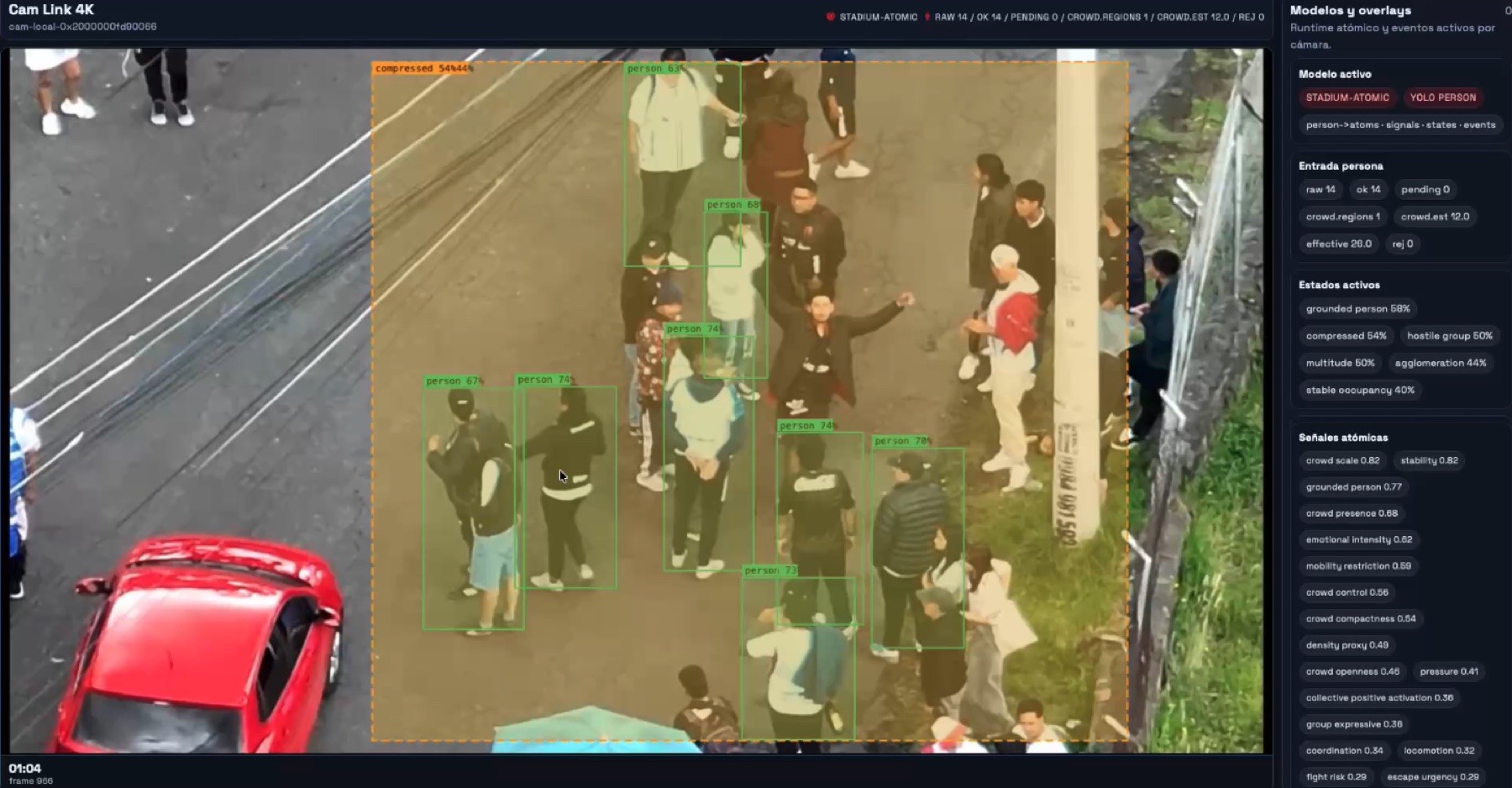
Atomic Models and Operational Overlays
The platform enables camera-level models and overlays to analyze presence, density, mobility signals, group behavior, and regions of interest, delivering useful context to the operations team.

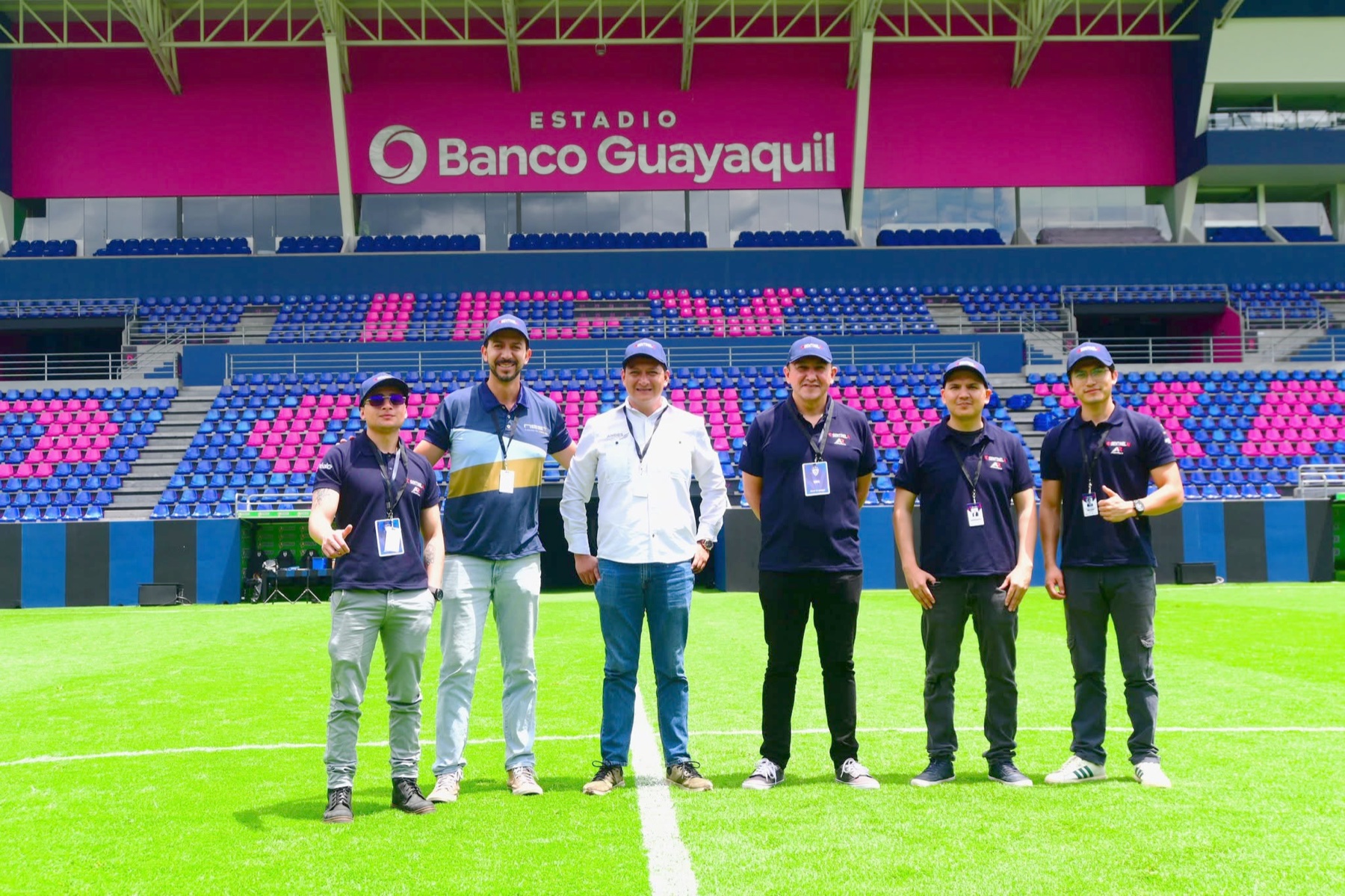
Technical validations in real sports venues using computer vision, real-time monitoring, and crowd analytics for security operations.
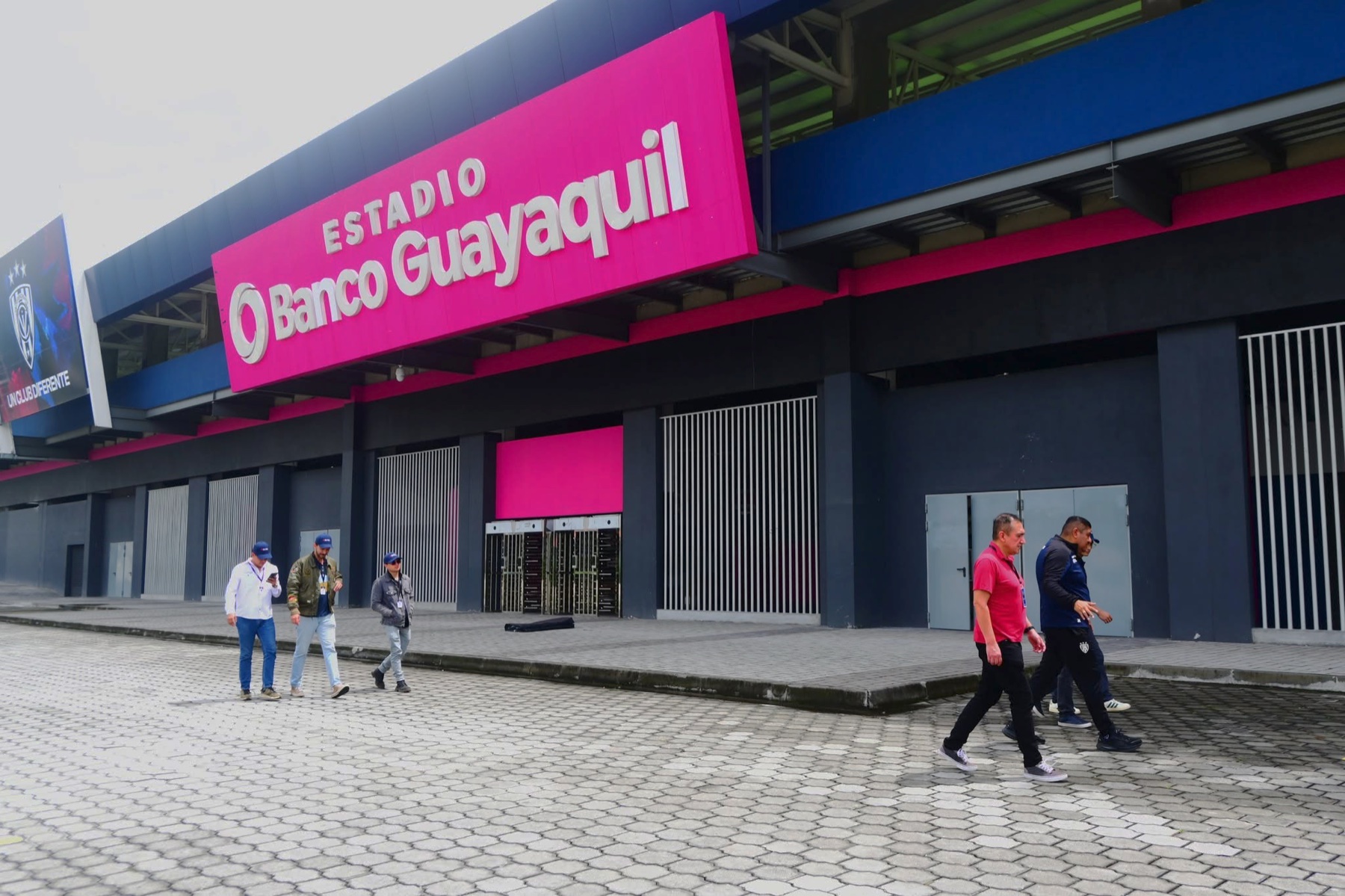
Sentinel AI was validated at Estadio Banco Guayaquil by integrating monitoring from operational areas, field cameras, and visual analytics to support security management during high-attendance sports events.
This scenario allowed the platform to be observed under real conditions: seating visibility, access control, sensitive-area monitoring, and coordination with operations teams, connecting visual information with fast and traceable decisions.
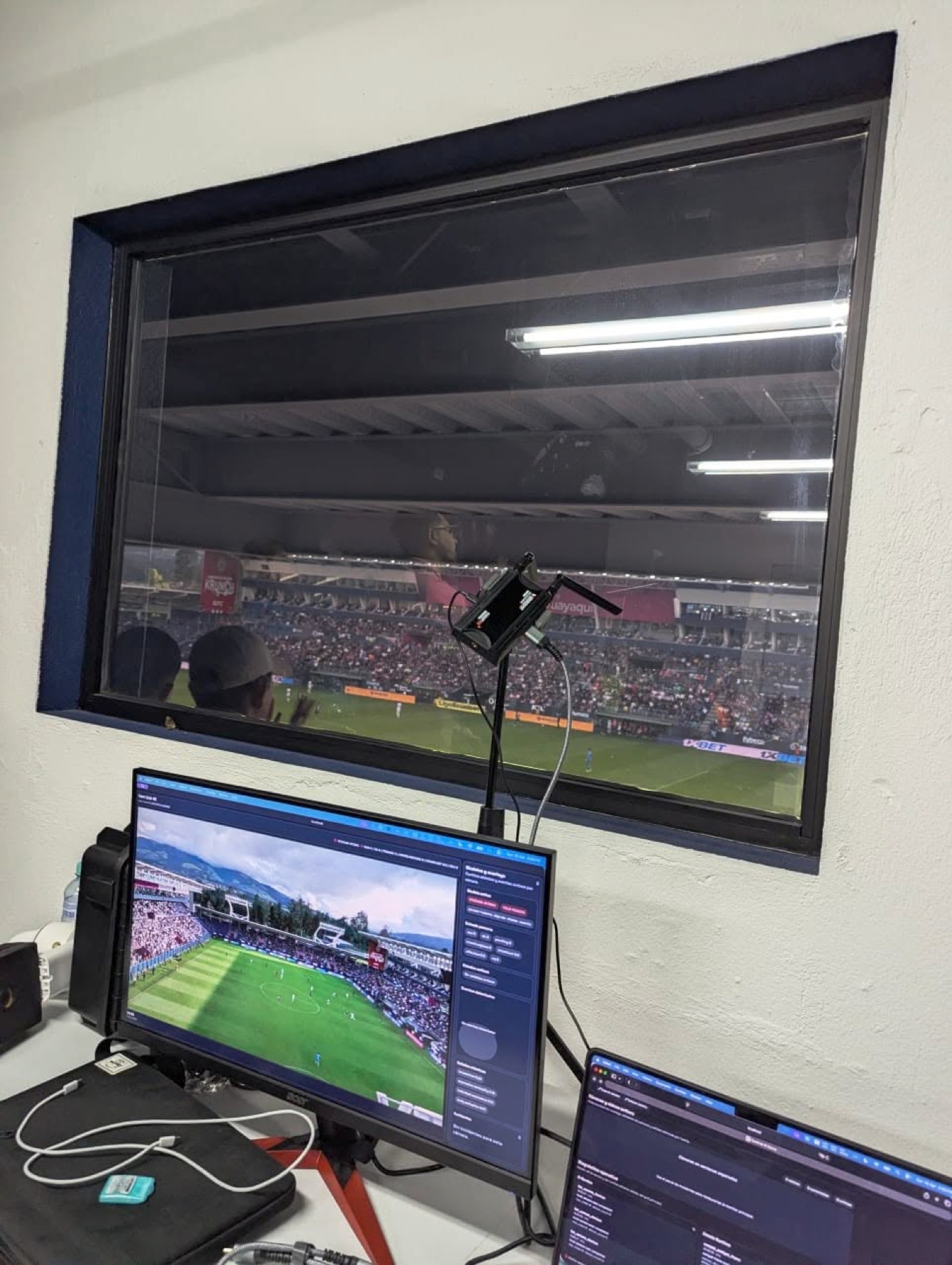
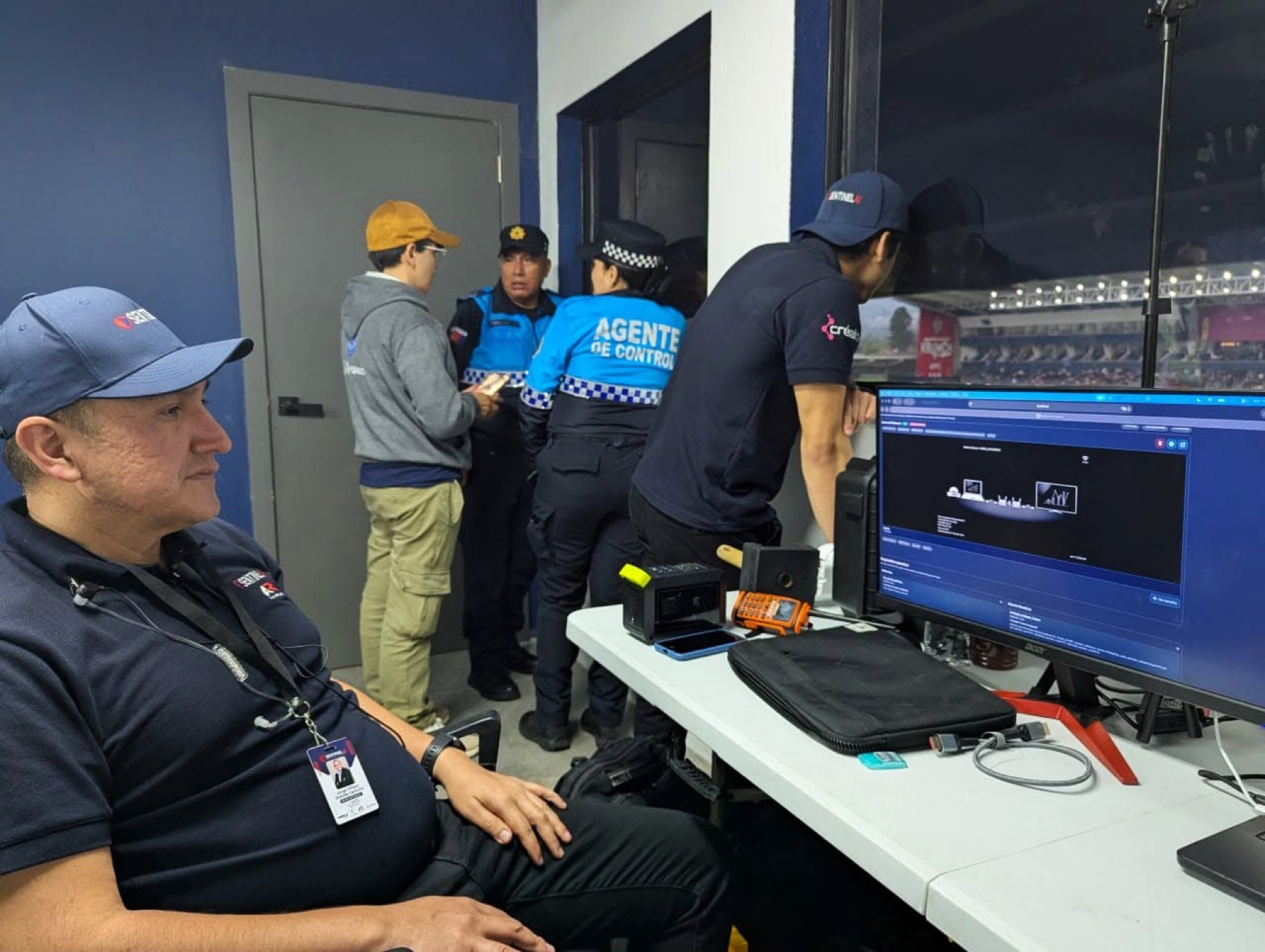
The demo shows how Sentinel AI centralizes video, detection models, and operational signals in an interface built for security teams that need to interpret events in real time.
Explore the platformSentinel AI is an intelligent security platform for stadiums, large events, cities, and critical infrastructure. It combines computer vision, video analytics, and operational monitoring to turn visual data into decision-ready information.
The validations at Estadio Banco Guayaquil and Independiente del Valle enabled testing visual detection, people counting, area analysis, and field technical coordination scenarios by connecting cameras, drones, communications, and real-time data processing.
The platform is designed to support security and operations teams with early, traceable, and centralized information, reducing response times and strengthening prevention in high-attendance environments.
In collaboration with AxioRyx

Sentinel AI is developed with a public and private security focus, integrating expertise in AI, critical operations, drones, communications, and scalable technology architecture.
The platform enables camera-level models and overlays to analyze presence, density, mobility signals, group behavior, and regions of interest, delivering useful context to the operations team.
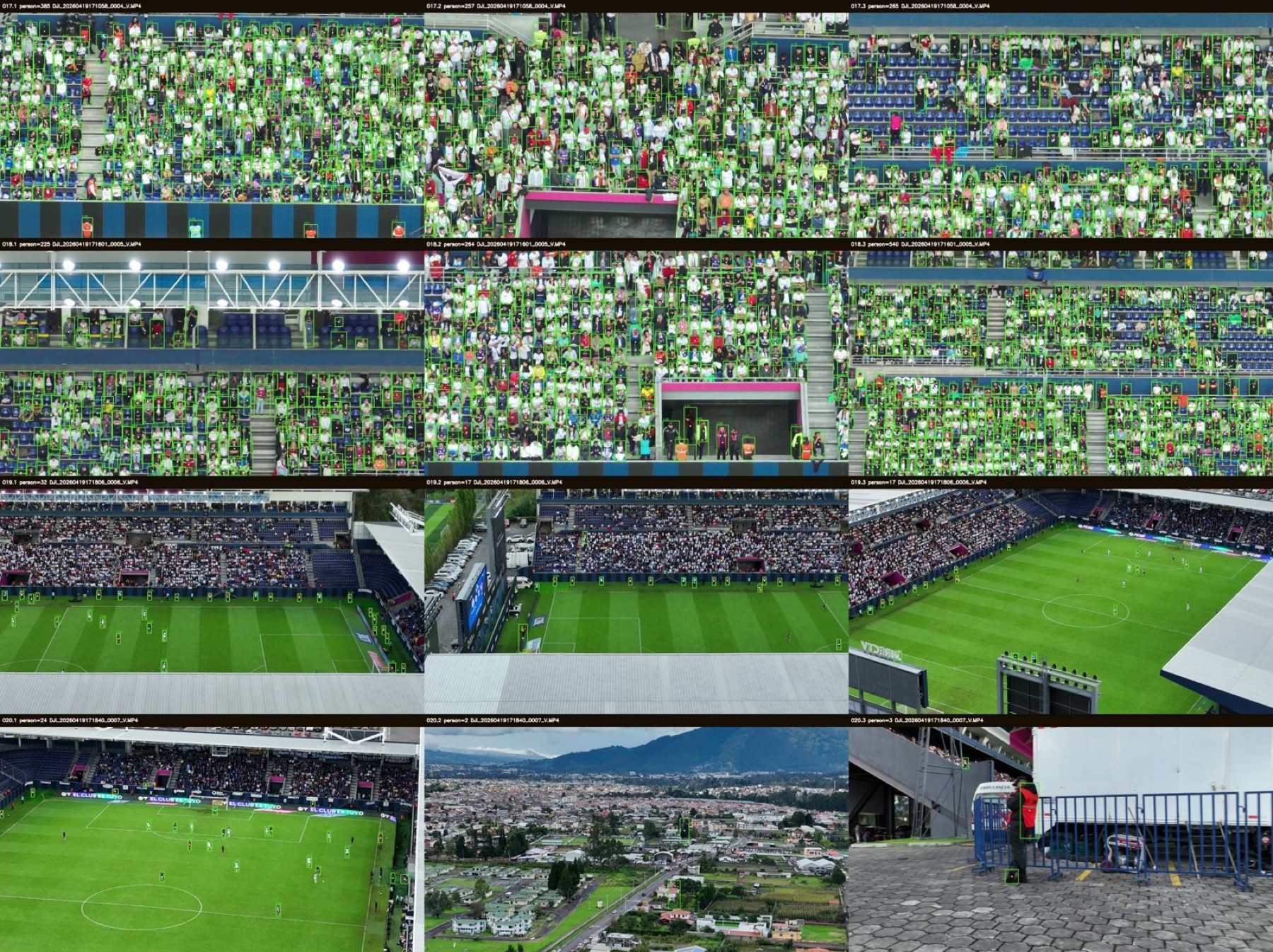
Computer vision models can identify presence, estimate people counts, detect concentration in specific areas, and surface relevant visual patterns to support prevention and operational decision-making.
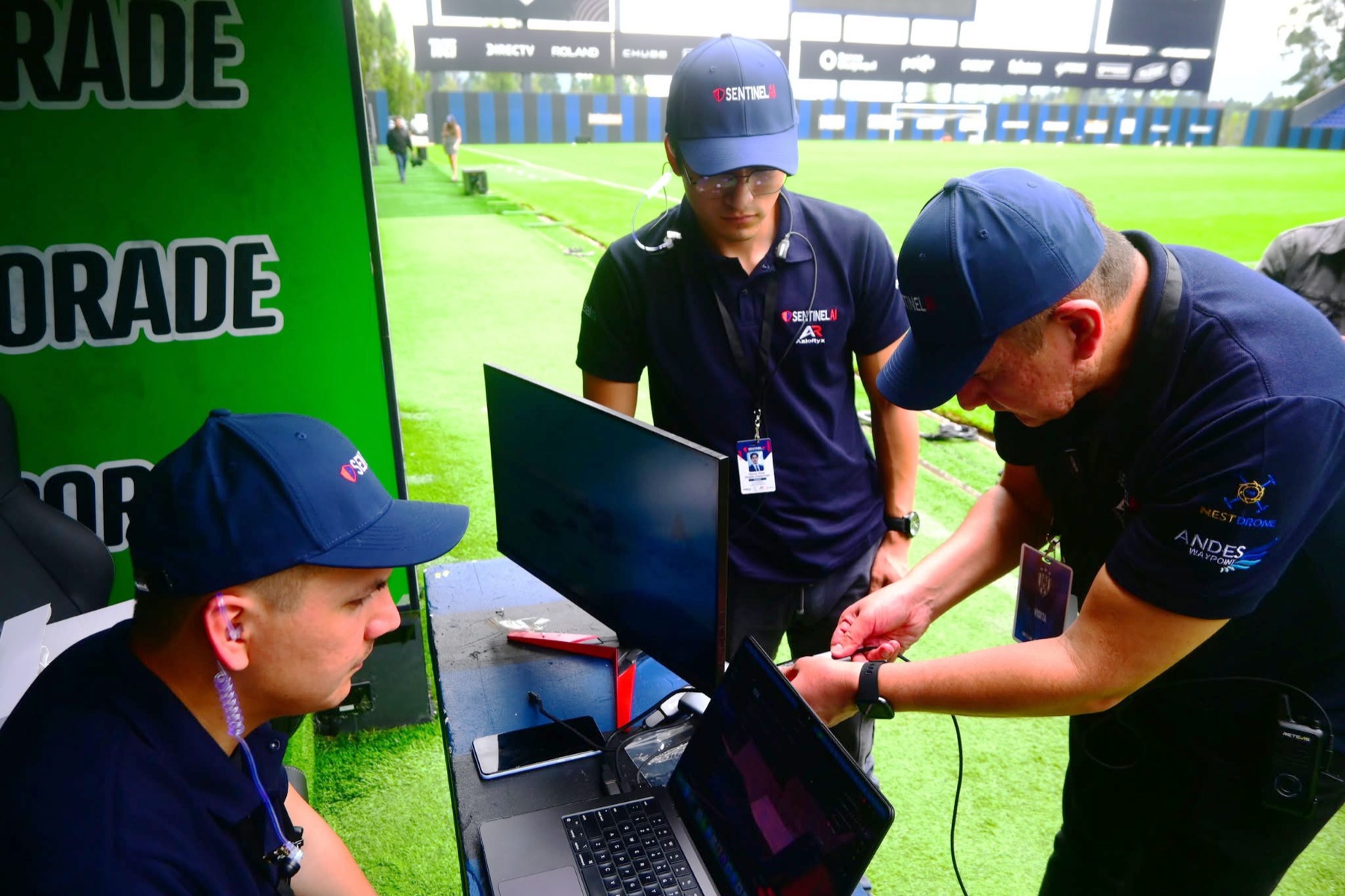
The operation combines monitoring equipment, communication devices, local processing, and technical coordination to validate system behavior under real stadium conditions.
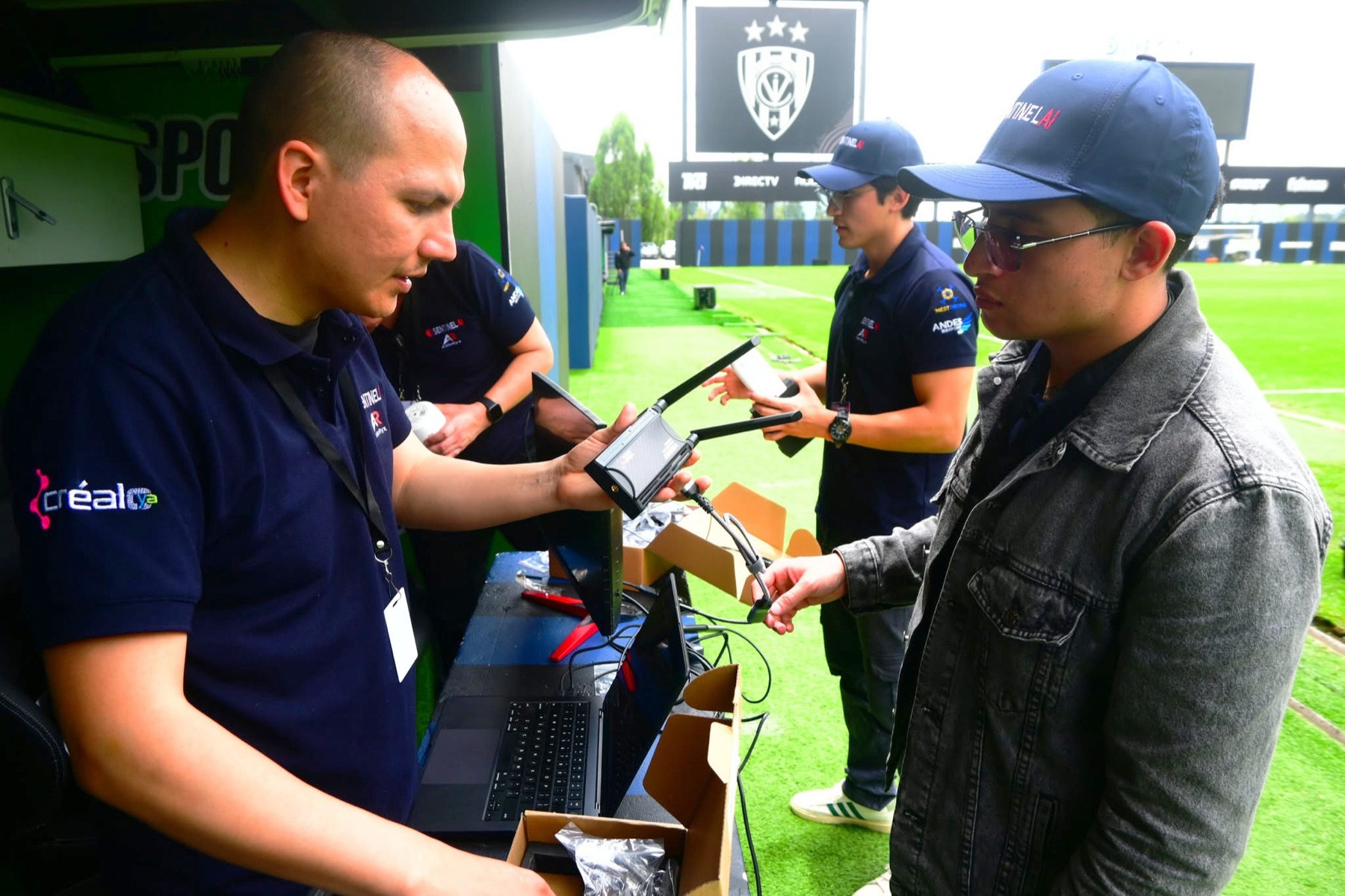
The architecture integrates video sources, communication links, and AI processing to distribute useful information to security, control, and response teams.
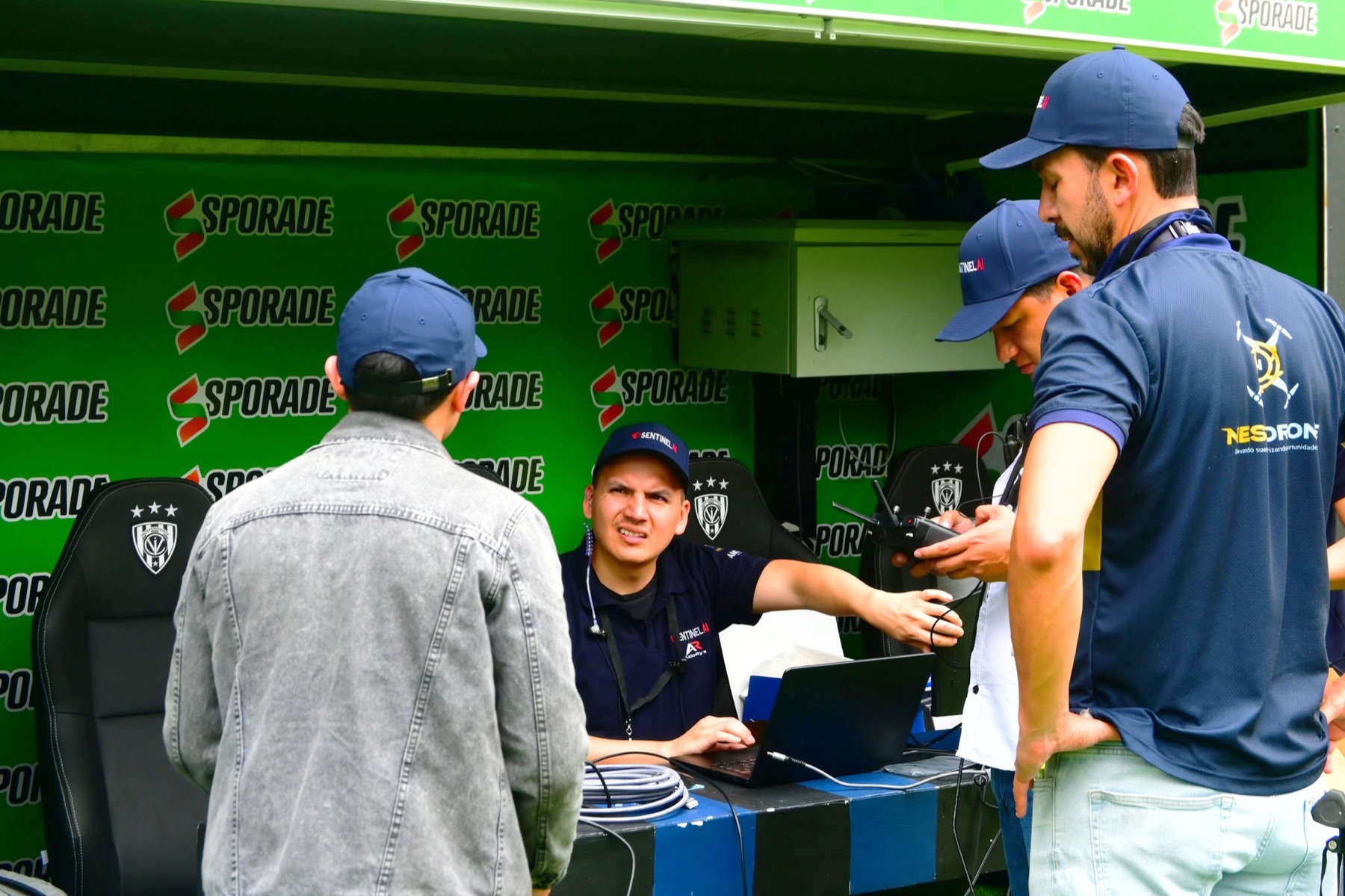
During the test, the team reviewed operational scenarios, communication stability, and visual information readings to tune the system for real security workflows.
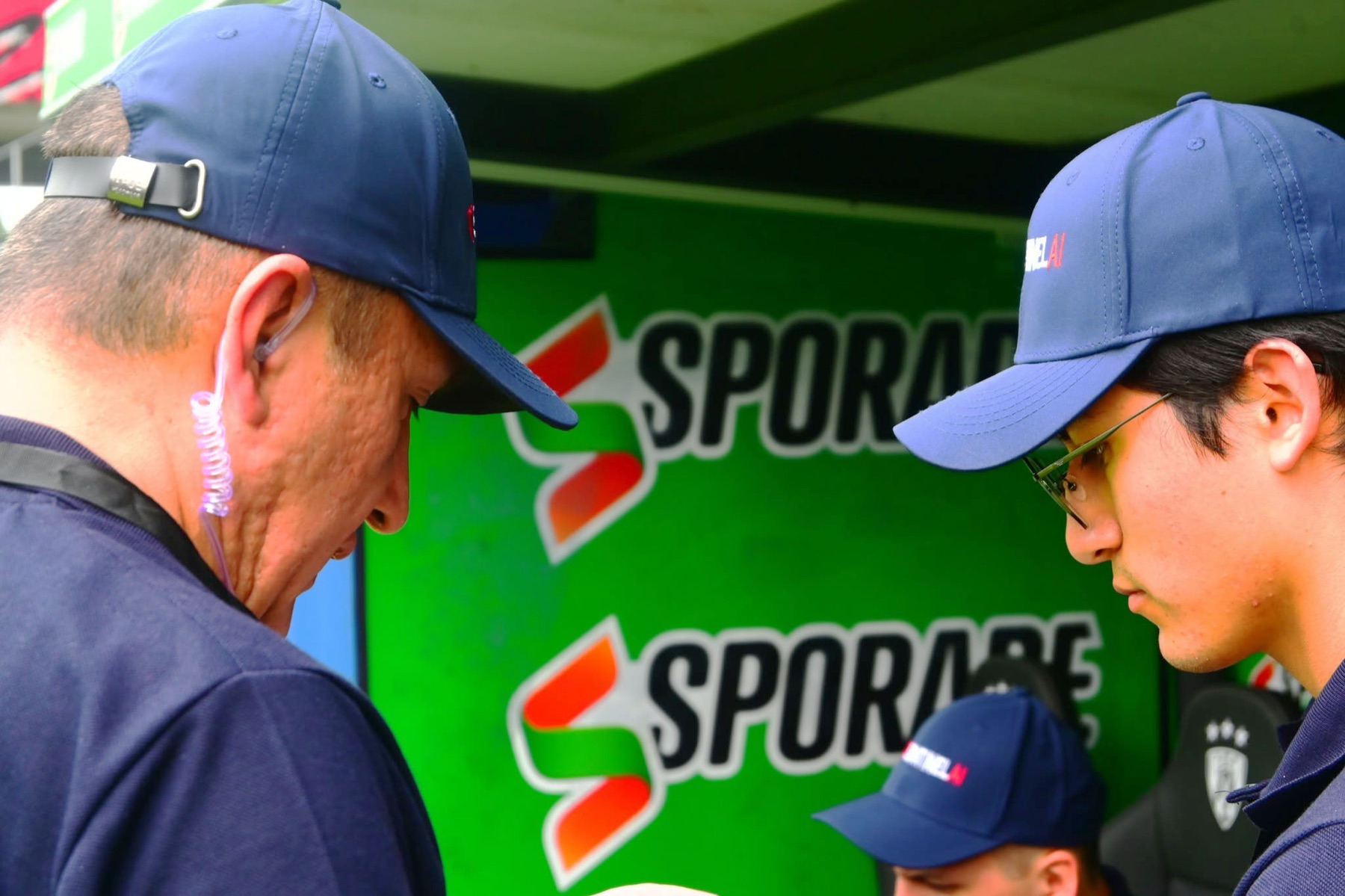
Sentinel AI is designed to complement human teams with actionable data, contextual alerts, and centralized visibility in environments where every second matters.
The stadium experiences show how drones, cameras, critical communications, and artificial intelligence can transform security for sports events and high-density venues, enabling more preventive, coordinated, and data-driven operations.